
Uncategorized
How to Stop Sauces From Spilling in Compartment Trays
Sauce leaking between compartments? Learn why it happens and how to pick compartment trays that stop spillover in delivery and takeaway orders.
Read MoreThe Packaging Desk
A working notebook from the factory floor — material guides, sourcing, compliance and sustainability, written for the people who sign the purchase order. Practical, buyer-side, and free of marketing gloss.
Now Published
Practical, procurement-side reading you can use today. Browse the latest published guides below.
Sauce leaking between compartments? Learn why it happens and how to pick compartment trays that stop spillover in delivery and takeaway orders.
Read More
Compare 10 soup bowl manufacturers and suppliers in the Philippines across paper, plastic, foam, and molded fiber packaging for bulk sourcing needs.
Read More
A buyer's shortlist of 10 Canadian plastic compartment tray factories, covering thermoforming capabilities, lid fit and MOQ considerations for food packaging.
Read More
Compare 4 trusted PP ramen bowl factories in the USA and learn what to verify on durability, MOQs, and lead times before ordering in bulk.
Read More
Learn how plastic cereal bowls hold up after months of commercial dishwasher cycles and what purchasing managers should verify before bulk ordering.
Read More
Thermal paper rolls turning yellow or dark in storage? Learn the real causes of discoloration and how to protect inventory before it spreads.
Read More
Learn how to package yogurt with granola or other toppings in separate compartments so they stay fresh, crunchy, and intact through delivery.
Read More
Why yogurt cup labels peel or wrinkle from condensation, and how to choose materials, test labeling, and prevent the issue in mass production.
Read More
Switching yogurt cup suppliers? Learn how rim flatness, flange width, and dimensional consistency affect tamper-evident lid sealing performance.
Read More
Standard salad plates run 7–9 inches. Learn how to pick the right size and shape for your menu and bulk foodservice ordering.
Read More
Compare 10 trusted Italian suppliers of grease-resistant food packaging, from greaseproof papers to barrier containers, before requesting a quote.
Read More
Compare 10 vetted RPET tray manufacturers in China on specs, recycled-material certification, customization options, and MOQs before you order.
Read More
Find out how many grams are in a cup of yogurt, with gram conversions for plain, Greek, and flavored yogurt to measure recipes more accurately.
Read More
Yogurt cups locking together on the line? Learn how nesting fit, stack height, and storage conditions cause sticking—and how to fix it.
Read More
Clamshell lid popping open during delivery? Learn how to pinpoint latch, hinge, or stacking failures before switching containers.
Read More
Why do baked goods stick to greaseproof paper? Learn how to diagnose the cause and fix sticking issues before you blame the paper.
Read More
Learn how to choose takeout boxes that vent steam, resist grease, and keep fried chicken crispy from kitchen to doorstep.
Read More
Learn when clear plastic packaging beats paper boxes for bakery items like cakes, pastries, and breads—and how to control costs without losing sales.
Read More
Find out which drink tray materials are actually recyclable, how local programs vary, and what to consider when sourcing disposal-friendly trays.
Read More
Learn when printed greaseproof paper is safe for food contact, what buyers should check, and how to evaluate suppliers before approving packaging.
Read More
Compare India's top 10 thermal paper manufacturers by capability, product fit and quality standards to find the right bulk supplier for your business.
Read More
Compare 10 U.S. yogurt cup manufacturers by fill-line fit, sealing compatibility, and MOQ before placing your next dairy packaging order.
Read More
Learn how to balance ventilation, moisture control, and structural protection in fresh produce clamshell packaging to reduce spoilage and transit damage.
Read More
Learn how plastic egg trays are manufactured, from sheet preparation to forming, trimming, and packing, plus where defects commonly occur.
Read More
See how greaseproof paper is manufactured—from pulp selection to fiber processing—for reliable oil resistance without plastic coatings.
Read More
Discover why greaseproof paper turns brittle during storage, from raw material quality to warehouse humidity, and how buyers can prevent packaging waste.
Read More
Why do paper soup bowls leak? See what causes bottom seam failures and how to choose leak-resistant bowls for hot soup service and delivery.
Read More
Learn how to match soup bowl size to real serving portions—broth, noodles, and toppings included—before ordering bulk containers for your menu.
Read More
Learn how to pack cake platters so frosting, tiers, and toppers survive transit. Practical guidance for bakeries reducing damaged-order complaints.
Read More
Plastic cake plates come in many sizes. Learn how to match plate diameter to cake size and packaging before placing a bulk order.
Read More
Can one cup size safely pair with both flat and dome lids? A practical breakdown for café owners and distributors weighing seal fit and SKU savings.
Read More
Learn the ideal lid headspace for takeout boxes to prevent leaks, soggy food, and costly packaging failures in delivery operations.
Read More
Compare 10 leading paper plate factories in India for bulk orders, custom printing, and supply consistency—verify capacity before committing.
Read More
Compare 10 leading rigid plastic packaging suppliers in Australia for food, chemical, and industrial container needs to find the right fit.
Read More
Meat trays can be technically recyclable yet still unsuitable—learn how PET, rPET, film, labels, and local programs affect real-world recyclability.
Read More
Plastic cups are often labeled recyclable, but real-world outcomes depend on resin, design, and local systems. Here's what beverage buyers need to know.
Read More
Compare 10 top plastic cereal bowl manufacturers serving Canada, from RPET packaging to foodservice tableware, and find the right fit for your order.
Read More
Generic 'BPA free' labels don't guarantee compliance. Learn what documentation buyers should verify before ordering plastic food boxes in bulk.
Read More
See how ice changes the stress on a plastic cup—weight, cold, and handling—and what beverage brands should look for when sourcing iced-drink cups.
Read More
What makes a meat tray work on the packing line and the shelf? A practical look at fit, sealing, leak control, cold chain, and appearance.
Read More
Not every disposable bowl needs a tamper-evident lid. Learn which handling risks actually justify the upgrade before you add it to your packaging spec.
Read More
Not every meal needs a divided container. Learn when compartment food boxes actually solve portioning, transport, and cost problems for foodservice.
Read More
Discover when round bowls outperform straight-sided bowls for filling speed, lid fit, carton packing, and food delivery efficiency.
Read More
Cereal bowls need extra depth to handle milk and spoon motion, unlike shallow salad bowls. See why shape matters more than stated capacity.
Read More
Clear plastic food boxes can turn hazy after filling or storage. Learn the common causes behind cloudy packaging and how to prevent it.
Read More
Bakery trays often look fine empty but fail once loaded and stacked. Learn why rigidity is critical for tray design, shipping, and shelf stability.
Read More
Learn why vegetable tray ventilation prevents condensation and spoilage, and how the right design depends on vegetable type and cold-chain handling.
Read More
Plastic alone doesn't make a tray microwave safe. Learn what material, design, and testing factors food businesses must check before reheating.
Read More
Plastic food trays can be technically recyclable, but real-world outcomes depend on resin, tray design, and local systems. Here's what buyers need to know.
Read More
Compare 10 top Canadian clamshell packaging manufacturers on materials, tooling, and reliability to find the right fit for your product.
Read More
Learn how clamshell packaging is made, from resin selection to thermoforming, so you can cut costs, avoid tooling errors, and prevent shipping damage.
Read More
Compare 10 vetted paper box factories in Indonesia for food packaging, folding cartons, and corrugated boxes, plus sourcing tips before you quote.
Read More
Learn how to inspect a custom food box sample for spec accuracy, structural strength, and production readiness before mass manufacturing begins.
Read More
Learn how to clean baking trays with grease, burnt food, or hardened sugar using simple soaking methods that protect coatings and save scrubbing time.
Read More
Why food still sticks after greasing and how to coat a baking tray correctly for clean, consistent release every time you bake.
Read More
Round or square disposable plates? Compare presentation, storage, and packaging fit to choose the best shape for your foodservice operation.
Read More
Find the right dessert plate size for restaurants and catering, from 6-inch to 8-inch options, based on portion type and presentation needs.
Read More
Plastic dinner plates typically run 10 to 12 inches, but 'standard' size depends on usable surface, not just diameter. Here's what bulk buyers should know.
Read More
Compare 10 trusted plastic acai bowl manufacturers in the USA by MOQ, customization, lid fit, and production capacity before you place your next order.
Read More
Are egg cartons recyclable? Learn how carton material, contamination, and local recycling rules affect whether your packaging actually gets recycled.
Read More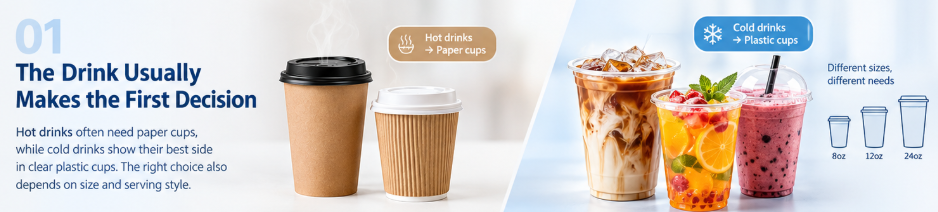
Compare paper cups vs plastic cups for hot drinks, cold drinks, cost, and bulk ordering to pick the right cup for your business.
Read More
Are paper cups gluten free? Learn what affects gluten risk in coatings, adhesives, and manufacturing, and how to verify supplier claims.
Read More
Are plastic cups safe to use? Learn how material type, food-grade certification, and hot vs. cold use affect plastic cup safety for daily and bulk use.
Read More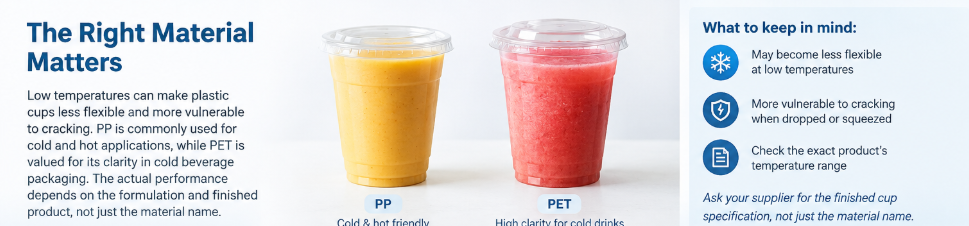
Wondering if plastic cups are freezer-safe? Learn how material, lids, fill levels, and testing affect bulk foodservice freezing results.
Read More
Compare 10 UK greaseproof paper suppliers by order volume, printing options, and delivery speed to find the right fit for your business.
Read More
Compare nitrile, vinyl, and polyethylene gloves for food service tasks—cost, fit, and compliance tips to pick the right glove for each job.
Read More
Plastic forks aren't banned everywhere, but rules vary by market. See what foodservice and bulk buyers must check before manufacturing or importing cutlery.
Read More
Not all paper takeout boxes are microwave safe. Learn how coatings, lids, and food type determine whether reheating in paper is safe.
Read More
Learn how to build a bowl of ramen with firm noodles, bold broth, and fresh toppings—plus how to keep takeout ramen hot without going soggy.
Read More
Thermal paper receipts often can't go in standard paper recycling bins. Learn why the coating matters and how businesses should handle thermal paper waste.
Read More
Not all nitrile gloves are food safe. Learn what certifications, additives, and glove grades actually matter before buying for food handling.
Read More
Learn how to verify nitrile gloves are truly latex-free, what documentation to request, and key questions to ask before placing a bulk order.
Read More
Greaseproof paper's recyclability depends on coatings, contamination, and local rules. Learn what food packaging buyers should ask suppliers before sourcing.
Read More
Compare 10 top plastic cereal bowl suppliers in the USA by use case, resin type, and quote details to find the right fit for your business.
Read More
Thermal paper receipts and toxicity explained: what chemicals matter, how exposure adds up, and what to check before buying receipt rolls in bulk.
Read More
Paper plates aren't automatically safe—coatings, additives, and documentation matter. Learn what to verify before choosing a food-contact supplier.
Read More
Greaseproof paper isn't always heat-safe for air fryers. Learn when it works, when it fails, and what to use instead for safe hot-air cooking.
Read More
Greaseproof paper not solving your grease, oil, or moisture problem? Compare real alternatives and learn how to pick the right one for your food product.
Read More
Learn what greaseproof paper is, when it's safe for cooking, how it differs from parchment paper, and how to choose the right paper for your food business.
Read More
Compare Australia's top 10 thermoforming food packaging manufacturers to find the right supplier for your product and sealing needs.
Read More
Learn how grind size, water, and routine affect your espresso. Simple, repeatable steps to brew a consistent, café-quality cup at home.
Read More
Paper plates aren't automatically eco-friendly. See how coatings, sourcing, and disposal affect their real impact before buying in bulk.
Read More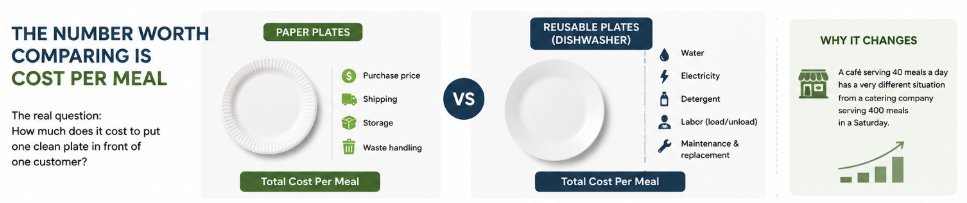
Paper plates or dishwasher—which really costs less? Compare per-meal cost, water, detergent, waste fees, and labor to find your break-even point.
Read More
Are deli boxes really dishwasher safe? Learn why lids warp, how many cycles containers last, and what to check before reuse.
Read More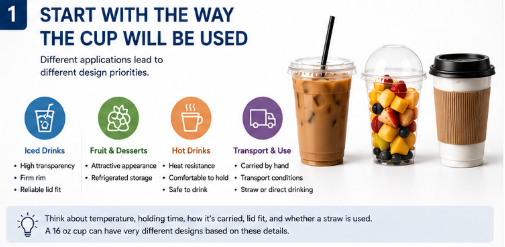
A practical guide to custom plastic cup manufacturing: choosing materials, mold tooling, and dimensions so your branded cups perform and fit lids correctly.
Read More
Compare 10 leading plastic egg tray suppliers in China on MOQ, tooling, cavity design and production strength to find the right sourcing fit.
Read More
Learn what rigid packaging really means, how it differs from flexible packaging, and what to ask suppliers before choosing rigid food containers.
Read More
Compostable doesn't always mean microwave-safe. See how bagasse, PLA, and CPLA bowls perform with heat and what to ask before you order.
Read More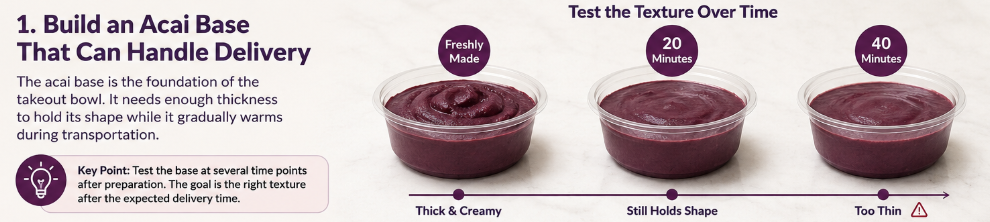
Learn how to build acai bowls that survive delivery—base, toppings, granola, bowl size, and lids that keep quality intact for takeout service.
Read More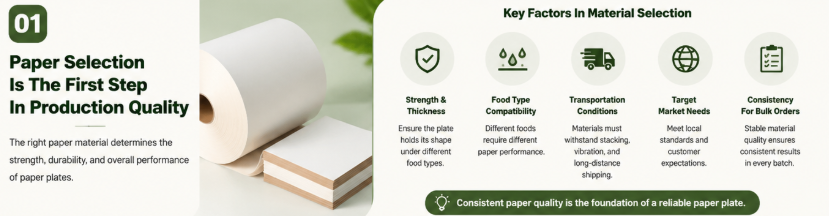
See how paper plates are manufactured—from paper selection and coating to forming and quality checks—to help you vet a reliable bulk supplier.
Read More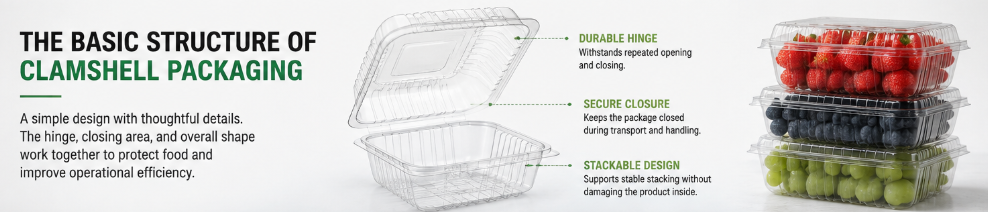
What is clamshell packaging? Learn its structure, materials, common food uses, and what buyers should verify before placing bulk orders.
Read More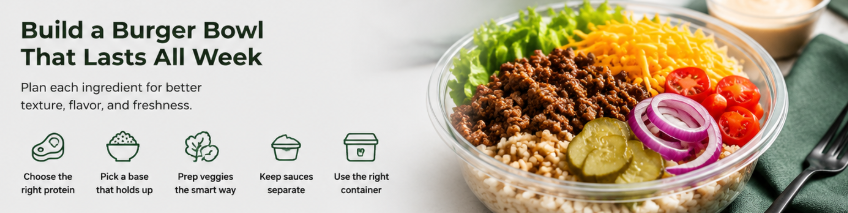
Build a Burger Bowl that stays fresh for days: protein picks, texture-safe bases, sauce timing, and the right containers for meal prep.
Read More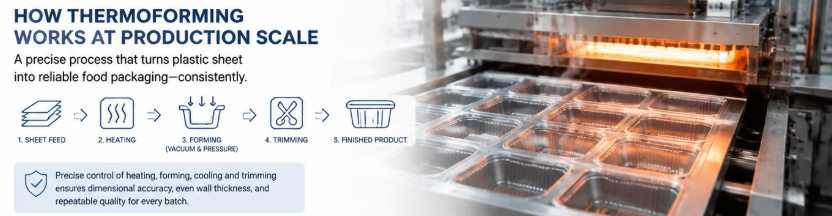
Discover how thermoforming technology impacts food packaging consistency, performance, and cost—key insights for bulk buyers and food brands.
Read More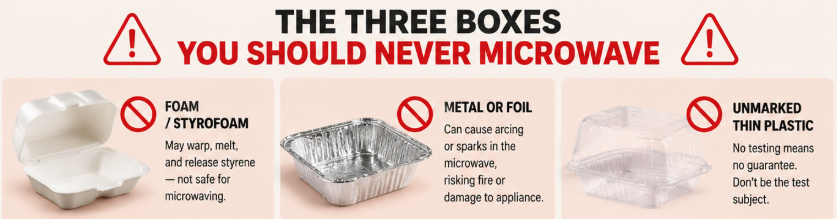
Is it safe to microwave takeout containers? Learn what 'microwave safe' really means, which boxes to avoid, and the one rule that keeps you safe.
Read More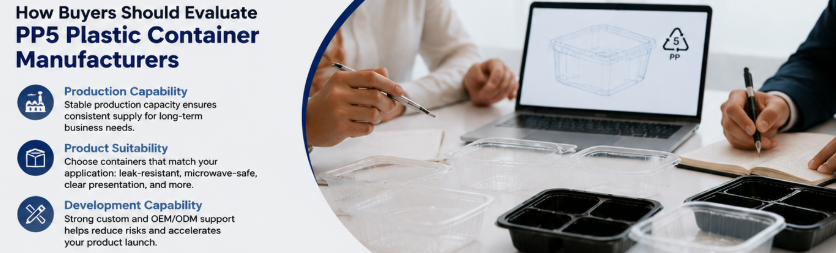
Compare the top 10 PP5 plastic container manufacturers in the USA and learn how to evaluate suppliers for compliance, customization, and supply reliability.
Read More
Standard cereal bowl sizes go beyond diameter and volume. See how sizing affects leak-proofing, lids, and shelf appeal for bulk packaging buyers.
Read More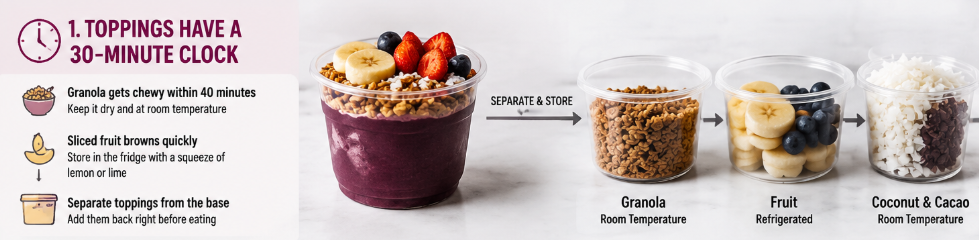
Acai bowls fall apart in layers, not all at once. Learn exactly how long the base, fruit, and granola each last so nothing goes soggy.
Read More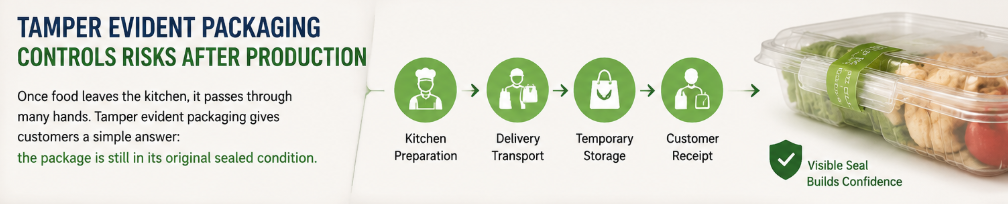
Learn how tamper evident packaging protects food brands after delivery, which structures fit different products, and what to check before ordering.
Read More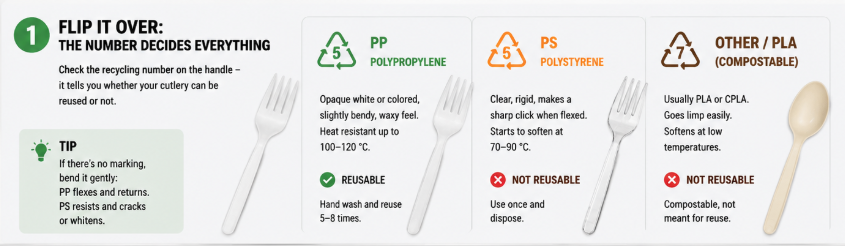
Which disposable plastic cutlery is safe to reuse? Learn to spot PP5 vs PS, how many washes you get, and when to toss it for good.
Read More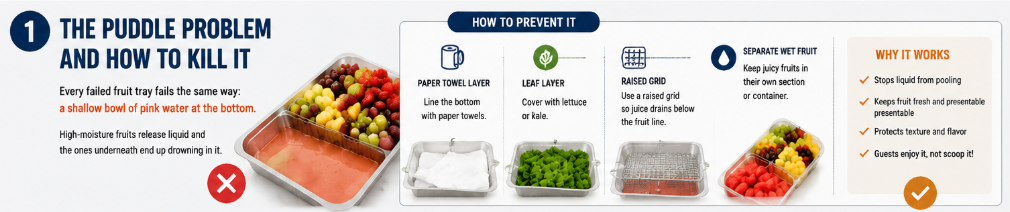
Fruit skewers, cups, or platters? Compare fruit tray ideas for events by how well each holds up over hours, not just how it photographs.
Read More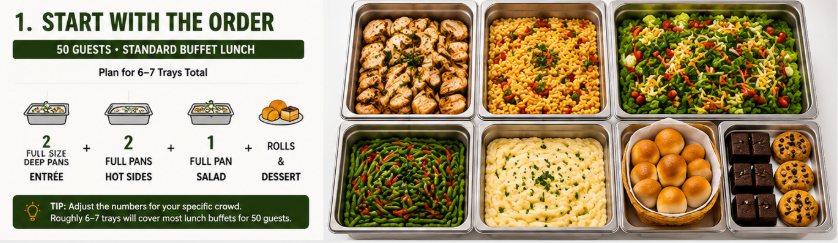
Feeding 50 guests? Learn exactly how many full-size trays you need per course, plus the pan-depth mistake that causes caterers to run short.
Read More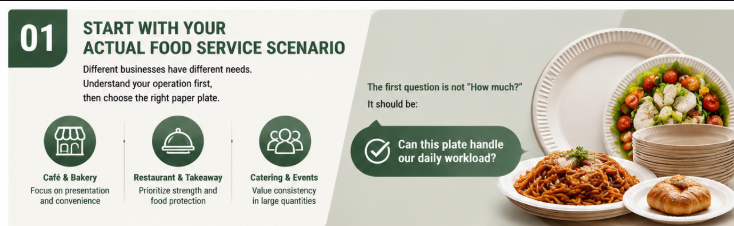
A practical guide to choosing bulk paper plates for foodservice: matching food type, sizing, testing, supplier vetting, and true cost analysis.
Read More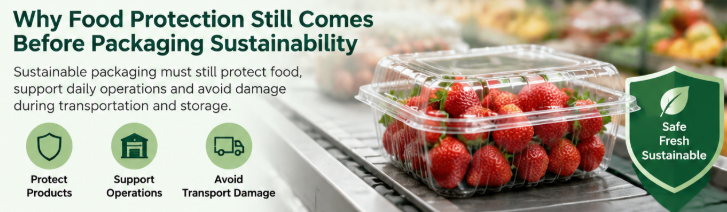
Learn how eco-friendly clamshell packaging protects food while meeting sustainability goals, and what buyers should evaluate before switching materials.
Read More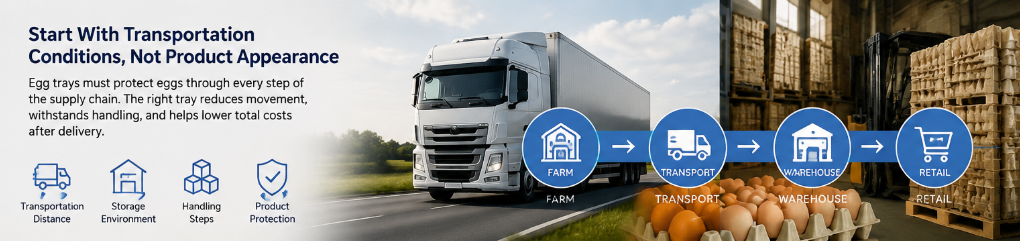
Learn how to choose the right egg tray by material, transport conditions, and packing needs to reduce breakage and cut long-term packaging costs.
Read More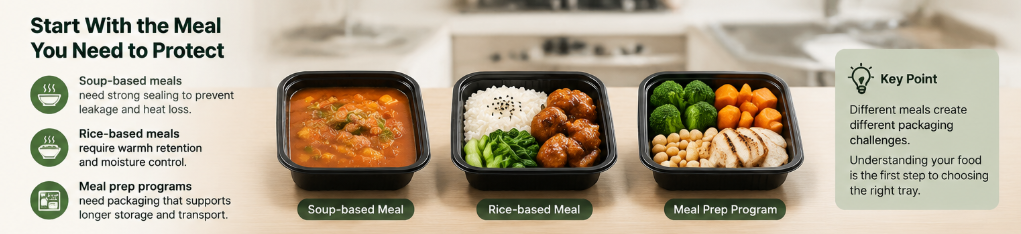
Learn how to choose food trays that retain heat, prevent sogginess, and protect meal quality throughout delivery—from material to lid design.
Read More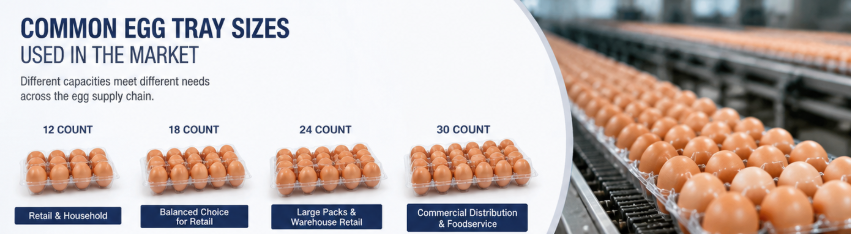
Learn how many eggs standard trays hold, common tray sizes, material options, and how to choose the right capacity for wholesale egg packaging.
Read More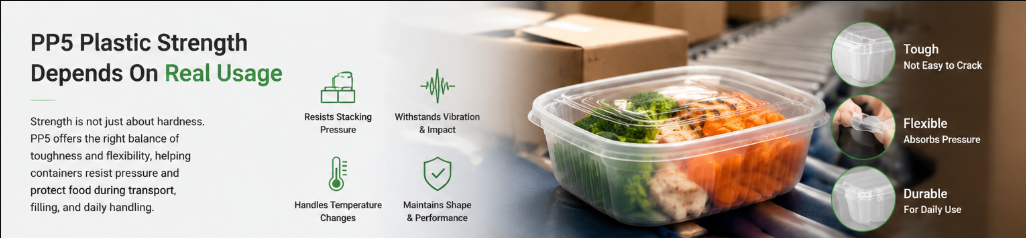
See how PP5 plastic strength compares to PET, PS, and PLA in real commercial food packaging use, from heat resistance to shipping durability.
Read More
Wondering if paper plates are recyclable? Learn how coatings and food residue affect recyclability and what to confirm before ordering disposable tableware in bulk.
Read More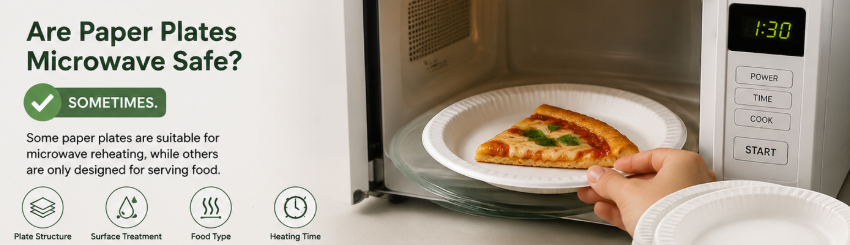
Wondering if paper plates are microwave safe? Learn which types are safe to reheat, what coatings to avoid, and how to check before microwaving.
Read More
Is PP5 recyclable? Learn how PP5 plastic recycling works in practice, what limits it, and how food packaging buyers can make smarter, more sustainable choices.
Read More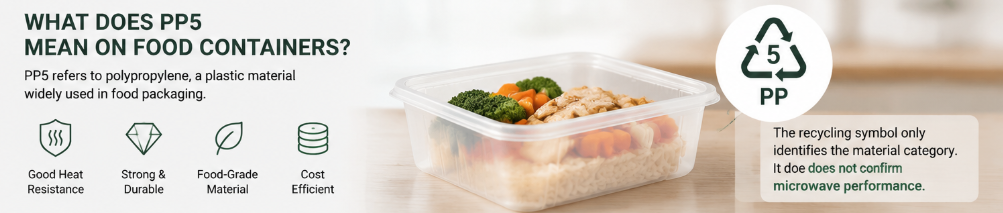
PP5 doesn't automatically mean microwave safe. Learn what factors matter when choosing PP containers for hot food applications in restaurants and catering.
Read MoreEditorial Desks
Our editorial themes follow the decisions packaging buyers make. Browse the published guides above, or ask our team about a question you don't see covered yet.
How PET, PP, PS, CPET, MFPP and PLA behave in the real world — and which resin actually fits your menu, temperature range and sales channel.
Editorial themeWriting an RFQ, reading a quote, vetting a factory and understanding MOQ tiers — the groundwork before a first purchase order goes out.
Editorial themeFDA, LFGB and EU food-contact rules in plain language, mapped to the markets you ship into so one order stays compliant across borders.
Editorial themeRecycled-content options, compostable PLA, and what an eco claim has to actually prove before it earns a place on the front of pack.
Editorial themeWhat take-out, café, supermarket and ready-meal buyers are specifying right now, and the packaging shifts behind those requests.
Editorial themeHow a custom container is actually made — tooling, Pantone matching, tech-packs and lead times, from first sketch to a sample in hand.
Editorial themeDon't Wait for the Guide
Most guides on this desk start as a real buyer question. Send yours — a material to choose, a spec to sanity-check, a quote to scope — and you'll get a straight answer back during business hours, well before the written version goes live.