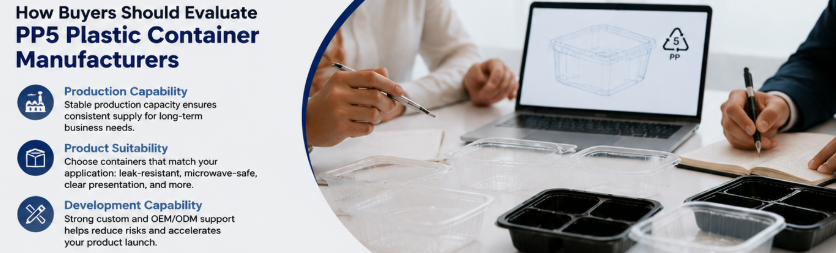
Finding a plastic rigid packaging supplier in Australia is not just about comparing container prices. A food manufacturer may need tubs that seal properly on an existing filling line, while a chemical business may need durable HDPE containers that can withstand storage and transport. A packaging distributor, meanwhile, may care more about product availability, carton quantities and reliable replenishment.
The suppliers worth considering depend on what you pack, how much you order and whether standard containers will do the job. The following companies offer different starting points for buyers researching rigid plastic packaging in Australia. They should be assessed by product fit and verified supply capabilities rather than treated as a definitive ranking.

1. Pact Group
Pact Group is a relevant starting point for businesses seeking packaging manufacturing capabilities and supply arrangements across Australia. Its suitability depends on the particular packaging category and production requirements involved.
For procurement teams planning ongoing orders, the important questions are whether the company supplies the required container format, supports the expected annual volume and can maintain consistent specifications across repeat orders. Buyers considering a rigid plastic packaging manufacturer for large-volume production should also ask about tooling, production scheduling and backup supply arrangements before committing to a project.
2. Amcor
Amcor is worth investigating for businesses whose packaging decisions involve product protection, presentation and manufacturing requirements. Its broader packaging portfolio means buyers should verify that the relevant Australian operation supplies their specific rigid plastic format rather than assuming every product category is available locally.
For brands developing new packaging, ask about available formats, closure compatibility, material options and technical support. A custom rigid packaging supplier for established consumer brands should be evaluated on how well its proposed container works with the product and filling process, not simply on appearance.
3. Visy
Visy is another established Australian packaging business to investigate when comparing packaging supply options. However, buyers should confirm the current availability of the particular rigid plastic product they need, as packaging businesses may operate across multiple materials and product categories.
For a procurement manager, the practical issue is supply fit. Can the supplier provide the required format, volume and delivery schedule? Can it supply consistent specifications across multiple orders? These questions matter when evaluating a plastic rigid container supplier for recurring commercial orders, especially when packaging availability directly affects production schedules.
4. Aardvark Plastics
Aardvark Plastics is particularly relevant to food manufacturers and chemical businesses. Its product range includes plastic pails, tubs, tamper-evident containers, jars, bottles and trays, with options such as film-seal and foil-seal packaging. The company also offers in-mould labelling and product design services.
This makes it a useful candidate for buyers who need more than a basic stock container. A food-grade rigid plastic packaging supplier for product manufacturers should be assessed on the compatibility of its packaging with the actual contents, filling conditions and sealing equipment. Request samples and confirm the relevant technical documentation before approving a production run.
5. Class Plastics
Class Plastics focuses on rigid plastic liquid packaging, including HDPE cubes, jerry cans and containers in rectangular and hexagonal formats. Its published product information covers capacities from 1 to 1,000 litres, making it worth investigating for businesses that handle liquids in industrial or commercial quantities.
The key question is whether the container suits the liquid, handling method and transport conditions. Buyers should confirm chemical compatibility, closure performance, stacking requirements and any applicable dangerous-goods certification. For companies sourcing HDPE industrial packaging containers for chemical distribution, those checks are more useful than comparing container prices alone.
6. Plasdene Glass-Pak
Plasdene Glass-Pak supplies plastic bottles, jars, containers, closures and other packaging products through a broad sourcing and distribution network. Its published information also identifies national warehousing, inventory management, global sourcing and custom packaging services.
This is worth considering when procurement teams want to compare multiple packaging formats without managing separate supplier relationships for every component. A wholesale rigid plastic packaging distributor for growing brands may be particularly useful when a business needs standard containers, compatible closures and dependable replenishment. Ask which items are stocked locally and which require overseas sourcing, since the distinction affects lead times and reorder planning.
7. Cospak
Cospak operates across packaging manufacturing, importing and distribution, with products spanning plastics, glass, metal, paper and flexible formats. The company identifies food, beverage, chemical, personal care and pharmaceutical businesses among the markets it serves.
For buyers, this broad scope can be useful when comparing packaging components for a complete product line. However, the relevant plastic container, closure and supply arrangement should be confirmed individually. A rigid plastic packaging supplier for food and personal care brands should be able to clarify material specifications, decoration options, order quantities and the documentation available for the intended application.
8. AYVA Packaging
AYVA Packaging manufactures plastic pails, tamper-evident tubs, barrels, drums, cartridges and closures. It also offers in-mould labelling (IML), which allows graphics to be integrated into the packaging surface. Its products serve food and non-food applications, including industrial and chemical markets.
For brands that want their packaging to stand out without commissioning an entirely new container design, existing formats with customised colours and labelling may be worth exploring. An OEM rigid plastic pail manufacturer for industrial and food brands should be able to explain its available sizes, decoration options, tooling requirements and minimum production quantities before a buyer approves the design.
9. Techno Plas
Techno Plas offers plastic containers and tubes for laboratory, pathology, environmental and industrial applications. Its separate food-packaging operation also provides rigid tubs with associated closures. This makes the business relevant to buyers seeking specialised containers rather than general-purpose bottles or buckets.
The main consideration is application-specific consistency. Laboratory and sampling containers may have requirements that differ significantly from ordinary retail packaging. A specialised plastic container supplier for laboratory and testing applications should be assessed on dimensional consistency, closure performance, cleanliness requirements and the documentation available for the intended use.
10. Pro-Pac Packaging
Pro-Pac Packaging is worth investigating for businesses comparing broader packaging supply options in Australia. Its manufacturing and distribution activities span packaging categories, so buyers should confirm which rigid plastic products are available for their particular application rather than assume every format is supplied directly.
For procurement teams consolidating purchases, the relevant questions include product availability, supply arrangements, packaging specifications and delivery coverage. A rigid plastic packaging distributor for multi-product procurement may be useful when it can simplify sourcing without compromising product fit or replenishment reliability.

How to Choose the Right Supplier for Your Business

Before requesting quotations, prepare a clear specification covering container capacity, dimensions, material, closure type, intended contents and expected order volume. If branding is required, include artwork, colour and labelling preferences. Ask each shortlisted company to confirm its minimum order quantity, sample availability, production lead time and delivery terms.
Do not compare quotations based on unit price alone. A lower-priced container may require a new filling-line adjustment, different closures or more expensive freight. For food and chemical applications, verify the relevant compatibility and compliance documentation before approving production.
The right supplier is the one that meets your product requirements, fits your purchasing model and can support repeat orders reliably. By comparing these factors alongside price, Australian buyers can build a shortlist based on actual operating needs rather than company size or marketing claims.