Preparing meals in advance is becoming a common habit for busy workers, fitness enthusiasts, and food brands that offer ready-to-eat options. However, making a meal once and keeping it enjoyable for several days is not as simple as cooking more portions.
Many homemade meal prep attempts fail for the same reasons. The beef becomes dry after reheating, vegetables lose their texture, and sauces slowly change the entire bowl into a softer and less appealing meal.
A Burger Bowl works well for meal preparation because it removes many problems found in traditional burgers. Without bread that becomes soggy during storage, the main ingredients can be arranged separately and adjusted based on different eating habits.
For restaurants and prepared meal companies, Burger Bowls also provide a flexible menu option. With support from a Burger Bowl manufacturer, businesses can develop packaging and portion solutions that are suitable for daily production, delivery, and customer use.
Building a Burger Bowl That Works Beyond the First Day
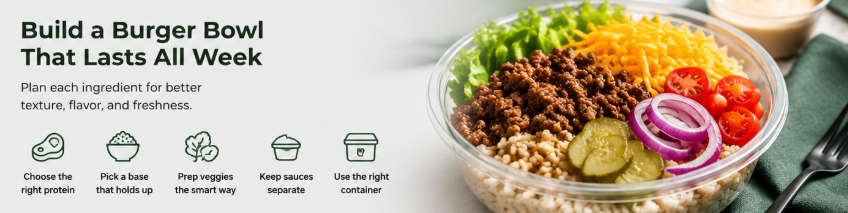
A freshly made Burger Bowl and a five-day meal prep Burger Bowl are two different products.
When preparing food for immediate consumption, appearance and flavor are usually the main concerns. For meal preparation, storage performance becomes equally important.
Each ingredient has a different reaction after refrigeration. Meat may lose moisture, vegetables may release water, and sauces can spread into other parts of the meal. A good combination should consider these changes before cooking begins.
For companies producing prepared meals, this approach is especially important. A custom Burger Bowl supplier can help create containers that match different recipes, including designs that improve ingredient separation and reduce quality loss during storage.
Selecting Protein Based on Storage Time
The protein choice affects how the Burger Bowl performs after several days.
Ground beef is often selected because it delivers the classic burger flavor customers expect. However, the cooking method matters. Overcooked beef may taste acceptable on the first day but become noticeably firmer after refrigeration.
For shorter meal cycles, beef remains a popular option. For longer storage periods, some brands choose chicken, turkey, or other alternatives because they offer different texture characteristics.
Commercial kitchens usually test these details before adding a meal to their menu. A Burger Bowl factory with food packaging experience can help businesses match container design with different protein types and preparation methods.
The goal is not choosing one “perfect” protein. It is choosing a protein that fits the way the meal will actually be stored and served.
Creating a Base That Maintains Texture
The base ingredient provides energy and structure for the Burger Bowl. Rice is widely used because it is affordable and easy to prepare in large batches, but it requires proper handling.
Rice stored incorrectly can become dry or compact. On the other hand, ingredients with too much moisture can create a soft texture that customers may not enjoy.
Some meal prep recipes use quinoa, roasted potatoes, or vegetable-based alternatives to create different experiences. The right choice depends on customer preferences, storage conditions, and menu positioning.
For brands selling prepared meals, packaging selection can directly affect product quality. A Burger Bowl packaging manufacturer often considers stacking, sealing, and storage requirements when developing containers for commercial applications.
Preparing Vegetables and Sauces the Right Way
Vegetables are usually where meal prep problems appear first.
Fresh ingredients such as lettuce and tomatoes provide a better eating experience when they remain separate until serving. If they stay mixed with warm ingredients or sauces for several days, the texture can change quickly.
Roasted vegetables are often easier to manage because they usually handle refrigeration better. Pickled ingredients can also add flavor without creating excessive moisture.
Sauces should also be treated carefully. Adding sauce during initial preparation may save time, but storing it separately usually creates a fresher result.
For meal brands, this small difference can influence customer reviews. A Burger Bowl supplier for meal preparation companies can provide packaging formats that make separation easier while keeping the product convenient for users.
A Faster Workflow for Preparing Multiple Portions
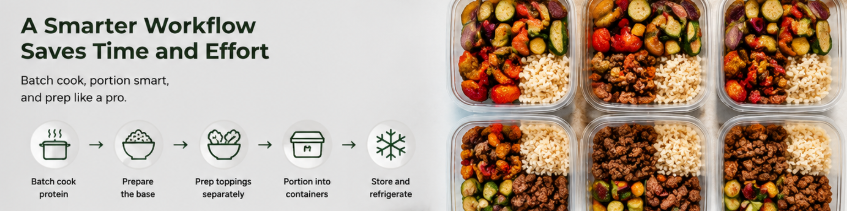
Preparing several Burger Bowls does not need to take an entire day. The main improvement comes from changing the order of preparation.
Instead of making each bowl individually, many meal prep kitchens prepare ingredients in batches. Protein can be cooked together, grains can be prepared at the same time, and fresh toppings can be added afterward.
Once ingredients are ready, portioning becomes the final step. Consistent portions help individuals manage meals more easily and allow businesses to maintain predictable food costs.
For companies producing large quantities, an OEM Burger Bowl container factory can provide stable packaging specifications that support repeat production and reduce operational changes.
Choosing Containers for Burger Bowl Meal Prep
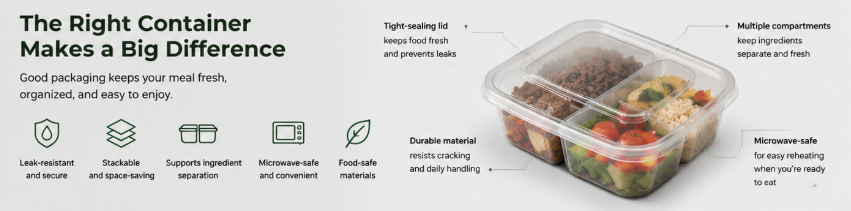
The container is part of the meal experience. A poorly designed package can affect freshness even when the recipe itself is well prepared.
For personal meal preparation, users usually want containers that are easy to carry, leak-resistant, and suitable for reheating.
For restaurants and food suppliers, additional factors become important. Containers need to stack efficiently, protect food during transportation, and work with existing storage systems.
Different businesses may require different solutions. A delivery-focused restaurant may prioritize durability, while a subscription meal company may need better portion organization.
An ODM Burger Bowl packaging supplier can help companies create packaging based on their production process instead of forcing every recipe into the same container format.
Common Preparation Problems to Avoid
Many Burger Bowl issues are caused by simple preparation decisions.
One common problem is combining every ingredient too early. Although the finished bowl may look complete, moisture transfer can reduce quality during storage.
Another issue is ignoring how customers will eat the meal. Some ingredients need reheating, while others are better added afterward. A meal should be designed around the actual eating process.
For businesses, these details influence whether customers reorder. A Burger Bowl packaging factory for wholesale supply can help develop solutions that support consistent product quality from production to delivery.
Creating Different Burger Bowl Options From One Concept
Burger Bowls are popular partly because they can be adjusted easily.
A high-protein version can increase the amount of meat. A lighter version can focus more on vegetables. A budget-friendly option can replace expensive ingredients while keeping the main flavor profile.
This flexibility allows restaurants and food brands to expand menu choices without creating completely different production systems.
When developing new product lines, working with a Burger Bowl manufacturer for food brands can help companies balance packaging requirements, production efficiency, and customer expectations.
Final Thoughts
A good Burger Bowl for meal preparation is not simply a burger placed into a bowl. It is a meal designed around real-life use.
The best results come from considering every stage: ingredient selection, cooking order, storage method, packaging design, and the final eating experience.
For individuals, this approach makes weekday meals easier. For businesses, it creates a product that can be produced consistently and delivered with reliable quality.
A Burger Bowl succeeds when it remains enjoyable not only on the day it is made, but also several days later when customers actually sit down to eat it.