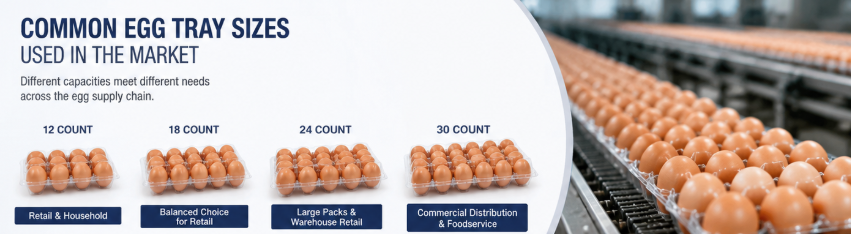
For egg businesses, packaging decisions are often made under pressure. A buyer may need to secure thousands of trays for a new shipment, replace an existing supplier, or reduce damage during transportation. In these situations, choosing an egg tray is not simply about finding a product that holds eggs. It is about finding packaging that works reliably throughout the supply chain.
Many companies first compare unit prices because the difference is easy to measure. However, the real cost of an egg tray is affected by factors that appear later, such as cracked eggs during delivery, unstable stacking, inefficient packing operations, or inconsistent quality between production batches.
A suitable egg tray should match the egg type, transportation conditions, packaging process, and market requirements. For businesses purchasing large volumes, cooperation with an experienced egg tray manufacturer for food packaging businesses can help reduce unnecessary risks and improve long-term packaging performance.
Start With Transportation Conditions, Not Product Appearance
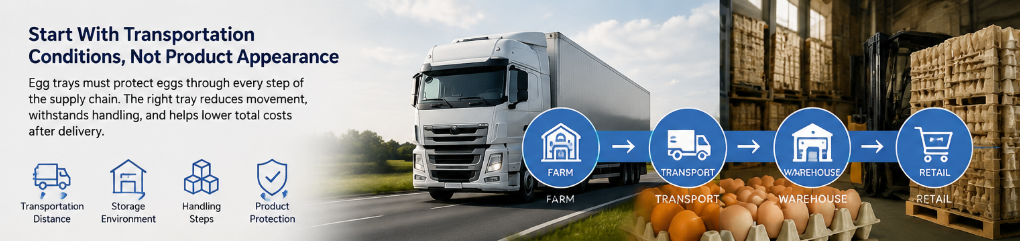
One common mistake in egg packaging purchasing is selecting trays before understanding how they will actually be used.
An egg tray designed for local farm delivery may not perform well in longer supply chains. Local transportation usually involves fewer handling steps, while regional or export shipments may require the packaging to withstand repeated loading, unloading, warehouse storage, and longer travel times.
During transportation, eggs are exposed to constant vibration and pressure. The tray needs to keep each egg in a stable position and prevent unnecessary movement. A design that works well in a short-distance delivery environment may create problems when used for cross-region distribution.
For this reason, experienced buyers usually evaluate the complete journey of the product before making a decision. A professional OEM egg tray supplier for commercial orders should understand factors such as transportation distance, storage environment, and delivery methods before recommending a suitable option.
The right question is not “Which tray is cheaper?” but “Which tray creates the lowest total cost after delivery?”
Select Egg Tray Material According to Business Requirements
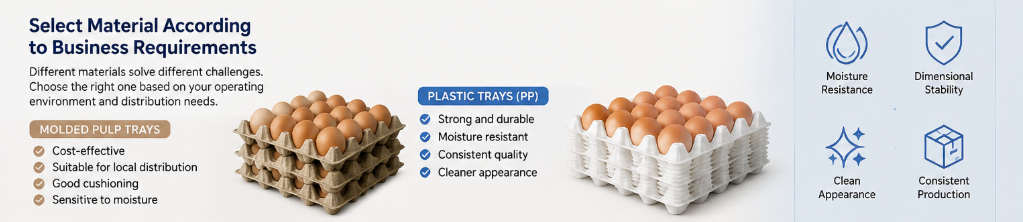
Different materials solve different packaging challenges. The choice should depend on the actual operating environment rather than general preferences.
Molded Pulp Trays for Standard Egg Distribution
Molded pulp trays are widely used in the egg industry because they provide a practical option for high-volume distribution.
Their main advantage is cost efficiency. For businesses supplying local markets or regular distribution channels, molded pulp trays can provide sufficient protection while keeping packaging expenses under control.
However, pulp trays also have limitations. Moisture exposure can influence their strength, especially during humid transportation or extended storage. Businesses operating in areas with high humidity or longer supply chains need to consider whether the material can maintain stable performance.
This is why some companies use pulp trays for specific markets while selecting alternative materials for more demanding applications.
Plastic Egg Trays for Consistent Quality and Durability
Plastic egg trays are often selected when businesses require stronger dimensional stability and more consistent production quality.
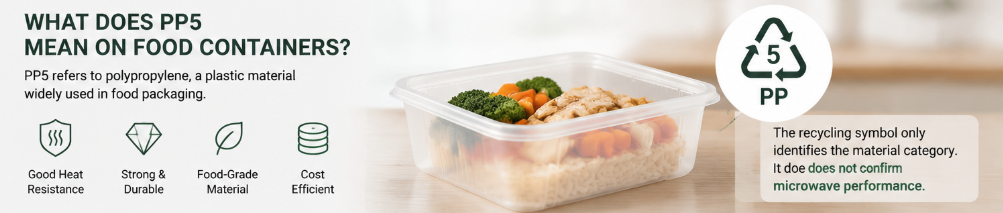
PP-based trays, for example, can maintain their shape under repeated handling and are less affected by moisture compared with traditional paper-based options. This makes them suitable for businesses that require stable packaging performance across large production volumes.
For supermarket suppliers, food brands, and export-oriented companies, plastic trays can also provide a cleaner appearance and better consistency between batches.
A reliable plastic egg tray factory with OEM and ODM capability can adjust tray specifications according to different egg sizes, packing systems, and customer requirements.
Focus on Egg Protection During Real Transportation

A tray may look suitable during sampling, but its real performance is tested after thousands of units enter the supply chain.
The structure of an egg tray determines how effectively it protects eggs from movement, impact, and pressure.
Prevent Egg Movement Inside the Tray
Egg movement is one of the main reasons for transportation damage.
When eggs do not fit properly inside the cavities, they may shift during handling. Continuous movement increases contact between eggs and creates additional stress on fragile areas.
A well-designed tray should provide enough support around each egg while maintaining efficient loading speed. This balance is especially important for companies handling different egg sizes or premium egg products.
Maintain Strength During Stacking and Storage
Large-scale egg distribution usually requires stacked transportation. The lower layers must support the weight above without losing their structure.
A tray with insufficient strength may deform during storage, which can affect the protection of the eggs underneath.
Before selecting a supplier, buyers should consider whether the manufacturer understands practical testing requirements. An experienced custom egg tray manufacturer for wholesale supply chains should be able to discuss structural performance, production consistency, and application conditions rather than only providing basic specifications.
Choose Tray Design Based on Your Egg Product
Egg businesses often handle different product categories, and packaging requirements can change accordingly.
Match the Tray With Egg Size and Weight
Egg size variation is an important factor that buyers should not overlook.
A standard tray may not always provide the best protection for every egg type. When the cavity is too large, eggs may move during transportation. When the fit is too tight, packing efficiency may be affected.
Before confirming a large order, many professional buyers test trays with their own eggs. This practical step helps identify whether the structure is suitable before moving into mass production.
Working with experienced egg packaging tray suppliers for international distributors can make this process easier because suppliers with broader market experience are usually familiar with different egg specifications.
Consider Product Positioning and Retail Requirements
Some businesses sell eggs as basic food products, while others compete in premium retail markets.
For premium eggs, packaging appearance and consistency may influence purchasing decisions. A clean, well-designed tray can support brand presentation while maintaining product protection.
In these cases, companies may require more than standard trays and need a supplier capable of supporting specific packaging requirements.
Make Sure the Egg Tray Fits Your Packing Operation
The packaging environment inside a facility is another factor that affects tray selection.
A farm using manual packing may prioritize easy handling, while an industrial producer with automated equipment requires more precise dimensions and consistent quality.
Even small differences between batches can create problems for automated packing systems. Delays caused by unsuitable trays can affect daily production schedules and increase operating costs.
For high-volume businesses, working with a capable bulk egg tray manufacturer for industrial packaging applications can provide more stable supply and reduce production interruptions.
A good packaging supplier should understand how the tray works within the customer’s entire operation, not only how it looks as a finished product.
Evaluate Supplier Capability Before Placing Large Orders
The quality of an egg tray depends not only on design but also on manufacturing control.
A sample represents only one production moment. Long-term cooperation requires the supplier to maintain the same quality across repeated orders.
Before choosing a supplier, buyers should consider production capacity, inspection processes, material control, and delivery reliability.
This is especially important for companies importing packaging from overseas. Delays or inconsistent quality can affect their own customers and production schedules.
An experienced egg tray manufacturing supplier for global markets should have the ability to support stable production, communicate clearly, and understand international purchasing requirements.
Avoid Choosing Egg Trays Based Only on Price
Price is important, but it should not become the only decision factor.
A lower-priced tray may appear attractive initially, but higher breakage rates or inconsistent quality can increase total expenses. Packaging performance should always be evaluated together with purchase cost.
Another common issue is selecting a standard tray without considering actual usage conditions. Transportation distance, egg size, storage environment, and packing method all influence the final result.
Companies that invest time in testing and supplier evaluation usually achieve better long-term results because they reduce unexpected problems after production begins.
Choose an Egg Tray That Supports Your Long-Term Supply Chain
The right egg tray is the one that fits your business operation, not simply the one with the lowest quotation.
A successful packaging choice requires balancing protection, cost, production requirements, and supplier reliability. When these factors are considered together, businesses can reduce product loss, improve delivery stability, and create a more efficient packaging process.
For companies purchasing egg trays in bulk, choosing an experienced manufacturing partner can make a significant difference. The right supplier does not only provide trays; they provide packaging consistency that supports the entire egg supply chain.