An egg carton can look recyclable and still end up in general waste.
That sounds contradictory, but it is a common issue for businesses buying or using egg packaging. The problem is usually not the word “recyclable” itself. It is what the carton is made from, whether it has been contaminated, and whether the local recycling system actually accepts that material.
For a business ordering thousands of cartons, these details are worth checking before the packaging arrives at the warehouse.
Check the Material Before You Check the Recycling Bin

The first thing to identify is the carton material.
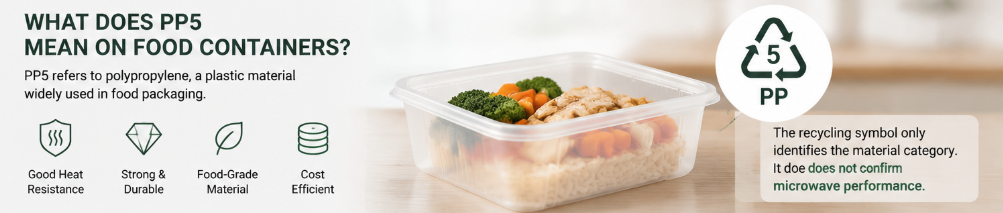
Egg cartons can be made from molded fiber, plastic, or foam, and they do not follow the same recycling route. Plastic cartons may use materials such as PET or PP, while fiber cartons are normally handled through paper or fiber recycling systems. Foam cartons are treated differently again, and many curbside programs do not accept them.
A resin code can help identify a plastic, but it should not be treated as a guarantee that the carton can go into the local recycling bin. Recycling programs differ from one area to another.
That is also something to clarify when working with a custom egg carton manufacturer. Instead of accepting “recyclable plastic” as the whole specification, ask for the actual resin and material information.
What If the Carton Has Egg Residue?

This is where real-world use gets less straightforward.
A carton that has only carried intact eggs is very different from one that has been exposed to broken eggs, liquid, shells, or other food residue.
With molded-fiber cartons, moisture and food contamination can be especially troublesome. A wet or heavily contaminated carton may no longer be suitable for normal paper recycling. Plastic is generally easier to clean, but local recycling instructions still matter.
For a household, this may involve one or two cartons each week. A supermarket or egg distributor can have a much larger volume to deal with.
That makes contamination worth discussing with a wholesale egg carton supplier, particularly if the cartons will be handled in a busy packing or distribution environment.
“Recyclable” Does Not Mean “Accepted Everywhere”

One of the easiest mistakes is to assume that a recyclable material is accepted by every recycling collection service.
It isn't.
Recycling facilities have different equipment, contracts, collection rules, and markets for recovered materials. A plastic carton accepted in one city may not be accepted in another. The same issue can appear when packaging is shipped into a different country.
So if your company sells eggs in several markets, don't rely on a single recycling statement printed on the packaging.
A plastic egg carton manufacturer for export markets should be able to provide the material specification clearly enough for you to check the requirements of each destination.
Recyclable and Recycled Are Not the Same Thing
These two terms are often mixed together in packaging discussions.
“Recyclable” refers to what may happen to the carton after use. “Recycled content” refers to what went into making the carton in the first place.
An rPET carton, for example, can be produced using recycled PET. That tells the buyer something about the material input, but it does not by itself confirm how the used carton will be collected or processed in a particular location.
If recycled content matters to your packaging program, ask for the actual specification rather than relying on a general environmental claim. A recycled PET egg carton supplier should be able to explain what recycled material is being used and what the finished carton is made from.
What Should a Business Ask Before Placing an Order?
Recycling is only one part of an egg-carton specification.
Before placing a large order, buyers usually have to consider things such as carton dimensions, cell configuration, stacking, protection during transport, storage space, and the consistency of future production runs.
For example, a carton that protects eggs well but takes up excessive warehouse space may create a logistics problem. A lightweight carton that saves material but does not provide enough protection can create another one.
When discussing an order with an OEM egg carton supplier for supermarket packaging, it makes sense to settle these points together instead of treating recyclability as a separate marketing feature.
For private-label programs, the same applies to printing, labeling, mold requirements, and repeat-order consistency.
Local Rules Matter More Than a Generic Recycling Claim
If you are buying egg cartons for one specific market, check that market's recycling guidance.
If you are exporting, check the destinations separately.
This may sound like extra work, but it prevents a common purchasing problem: approving a carton based on its material and discovering later that the intended recycling collection does not accept it.
The supplier's job is to give you accurate material information. The local recycling authority's job is to tell you what its system actually accepts.
That distinction is useful for companies working with an egg carton factory for bulk packaging. It keeps the packaging specification and local waste-management requirements from being treated as the same thing.
Think About the Whole Packaging Program
For a small business, recyclability may be a simple disposal question. For a larger buyer, it becomes part of packaging management.
You may need to consider how cartons arrive, how they are stored, how damaged units are separated, what happens to contaminated cartons, and what customers are expected to do with the empty packaging.
That is why an egg carton manufacturer for food distributors should be evaluated on more than unit price. Material transparency, production consistency, packaging efficiency, and the ability to support different specifications can all matter once the order volume increases.
If you are developing a new carton rather than buying an existing size, an ODM egg carton factory for private label programs may also need to work with you on dimensions, mold design, material selection, and production requirements.
So, Are Egg Cartons Recyclable?
Sometimes yes, but the useful answer depends on the carton in front of you.
A clean carton made from an accepted material may be recyclable through the local system. A contaminated carton, a foam carton, or a carton made from a material that the local facility does not accept may need a different disposal route.
For businesses, the safest approach is simple: identify the material, consider how the carton is actually used, and check the recycling rules in the market where it will be discarded.
When sourcing from a custom egg packaging factory for high-volume orders, ask for the material specification and end-of-life information before finalizing the packaging. That gives your purchasing and operations teams something concrete to work with instead of relying on a broad “recyclable” claim.