Making ramen is easy enough. Making a bowl that still tastes good five or ten minutes later is another matter.
The noodles can go from firm to soft surprisingly quickly. A broth that tasted perfect in the pot may seem weak once the noodles are in it. Even the bowl itself can make a difference if it is cold and you are trying to serve the ramen piping hot.
So, if you want better ramen, don't think of it as throwing everything into one pot. Get the individual parts ready first, then bring them together at the last moment.
Get Everything Ready Before The Noodles

Prepare the toppings first
This is probably the simplest change you can make.
Have your egg cooked and sliced. Get the pork ready. Chop the green onions. If you are using mushrooms, corn, bamboo shoots, or vegetables, prepare them before the noodles go into the water.
Why? Because once the noodles are cooked, there isn't much time to spare.
It is tempting to leave the toppings until the end, especially when you are only making one bowl. But stopping to slice pork while the noodles are sitting in hot water is an easy way to overcook them.
The same issue becomes much more obvious in a restaurant. A custom ramen bowl manufacturer for foodservice may provide containers in different sizes, but the kitchen still needs to have the toppings, broth, noodles, and packaging ready at roughly the same time.
Start With The Broth

Make it a little stronger than you think
Have the broth hot before you cook the noodles.
If you are using a prepared broth, heat it thoroughly and season it to taste. If you are making your own, give yourself enough time for the flavor to develop before you start worrying about the noodles.
One thing to watch is dilution.
Noodles bring some cooking water with them, even after draining. They also absorb part of the broth once they are in the bowl. If the soup is already quite mild, the finished ramen can taste surprisingly flat.
That does not mean adding salt or soy sauce until the broth becomes unpleasantly strong. Taste it, add the noodles, and think about the whole bowl rather than the liquid by itself.
For restaurants selling their own ramen, an OEM ramen bowl supplier for restaurant chains can help standardize serving capacity, but the broth-to-noodle ratio still needs to be worked out in the kitchen.
Cook The Noodles Separately

Don't rely on the clock alone
Bring a good amount of water to a full boil. Add the noodles and separate them gently if they start sticking together.
The cooking time printed on the package is a useful starting point, not an absolute rule. Different noodles behave differently, and the final texture also depends on what happens after they leave the pot.
Try one before draining.
You want some bite left in the noodle. If it is already completely soft in the cooking water, it has nowhere to go once it meets the hot broth.
Drain the noodles well. You do not need to shake them dry, but you do want to remove excess cooking water. Too much water going into the bowl can throw off the flavor you worked on in the broth.
This becomes particularly important for a ramen bowl factory for high-volume foodservice, where the same portion needs to produce roughly the same result from one order to the next.
Put The Bowl Together Quickly

Have the serving bowl ready
If you have time, warm the bowl before filling it. This can be as simple as rinsing it with hot water and emptying it before adding the ramen.
Then add the hot broth and the noodles.
Place the pork, egg, vegetables, and other toppings on top. Save things such as green onions or nori for the end if you want them to keep their texture and aroma.
Don't spend too long arranging everything.
A ramen bowl is at its best when the noodles have just finished cooking and the broth is still very hot. Taking several minutes to make the toppings look perfect rather defeats the point.
For brands that sell prepared meals, a private label ramen bowl supplier for takeaway brands may be able to provide packaging around a particular serving size, but the assembly time should still be part of the packaging decision.
Why Do Ramen Noodles Get Soggy?
The cooking doesn't really stop
This is one of the most common problems with ramen.
You can cook the noodles correctly and still end up with a soft bowl. The reason is simple: the noodles keep taking in moisture after they leave the pot.
A few things can make this worse:
They were already overcooked.
Too much cooking water remained on them.
The broth is very hot and the noodles sit in it for too long.
The finished bowl takes a while to reach the customer.
The last one is especially relevant to takeaway.
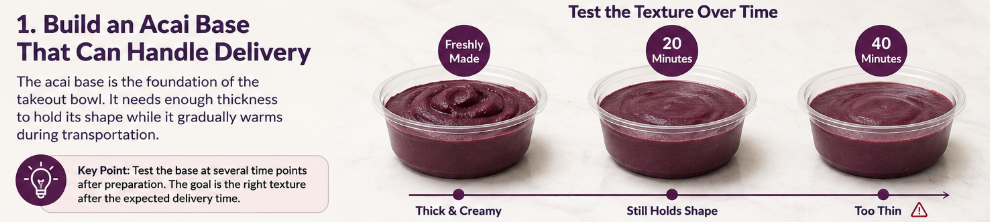
A bowl that tastes great when eaten immediately may have noticeably softer noodles after a 20-minute delivery. That does not necessarily mean the recipe is wrong. The serving method has changed.
A leak-resistant ramen bowl supplier for delivery businesses therefore needs to be considered alongside noodle preparation. A secure lid is essential, but so are the time, temperature, and moisture conditions inside the container.
Keep Takeaway Ramen Hot Without Making It Soggy

Packaging changes the final result
Dine-in ramen and takeaway ramen have different problems.
At a restaurant, the customer may start eating within seconds of assembly. With delivery, the bowl has to survive packing, carrying, movement, and waiting before it is opened.
The container needs enough room for the intended portion without pushing the soup too close to the lid. The lid needs to stay secure. The bowl also needs to handle hot food without becoming difficult to carry.
Steam is another consideration. Hot broth inside a closed container creates condensation. That moisture has nowhere to disappear quickly, so the noodles continue sitting in a warm, humid environment.
For a distributor sourcing packaging at scale, an industrial ramen bowl manufacturer for wholesale distribution may offer several capacities and configurations. The right choice depends on the portion, broth volume, toppings, lid, and expected delivery time rather than simply choosing the largest bowl available.
Match The Bowl To The Portion
Bigger isn't always better
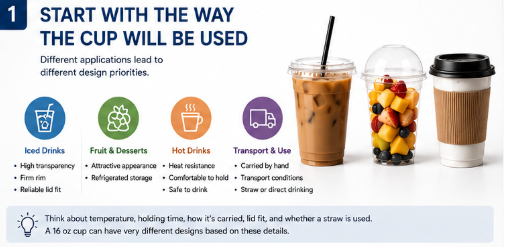
A 16 oz ramen serving and a 32 oz serving do not need the same container.
Too small, and toppings can get crushed against the lid. Too large, and the food may look undersized while leaving more empty space than necessary.
This is where working with an ODM ramen bowl factory for customized food packaging can make sense for a brand with specific portion requirements. Capacity, shape, wall thickness, stacking, and lid compatibility can all be considered together instead of trying to make a standard container fit an unusual serving format.
For foodservice distributors, an OEM ramen bowl supplier for bulk restaurant orders may also be evaluated on consistency from one production run to another. A container that works well for one sample order is not enough if the same specifications cannot be maintained at scale.
A Simple Ramen Workflow
The easiest way to keep the process under control is to prepare everything before the noodles are cooked.
Heat the broth. Get the toppings ready. Warm the serving bowl if you can. Bring the noodle water to a full boil.
Then cook the noodles, check the texture, drain them properly, and assemble the bowl straight away.
Taste the broth before serving. Check the noodles. Make sure the toppings are where they should be. Then eat.
For takeaway operations, add one more question: How long will this ramen sit before someone opens the lid?
That answer can change how you cook the noodles, how much broth you use, and which container makes sense. A ramen bowl supplier for commercial kitchen packaging should be able to discuss those practical requirements rather than only quoting a container size.
Good ramen doesn't require an especially complicated recipe. Most of the difference comes from what happens in the few minutes between cooking the noodles and taking the first bite.