A box of fried chicken can look perfect when it leaves the kitchen and disappoint the customer 30 minutes later. The coating turns soft, the pieces stick together, and the bottom of the box feels greasy. For a restaurant, changing the recipe is not always the answer. Sometimes the problem starts after the chicken has been packed.
Choosing takeout boxes is a balancing act. The packaging needs to release enough steam to limit condensation, hold the chicken securely, and keep grease from soaking through. It also has to fit the restaurant's budget. Spending more on a box only makes sense if it solves a problem that customers actually experience.
Start With the Delivery Problem, Not the Box Material

Before requesting samples, look at when the chicken loses its crunch. Does it become soggy during a short trip from the counter to the customer's table, or only after a longer delivery? Are the bottom pieces worse than those on top? These details can point to very different solutions.
Steam is a common culprit. Freshly fried chicken continues to release moisture after cooking. In a tightly closed container, that moisture has nowhere to go. Condensation can settle on the lid and drip back onto the coating. Packing too many pieces together makes matters worse.
The kitchen routine matters, too. Chicken packed before excess oil has drained may leave the box greasy regardless of its design. Sauce poured over the food creates another problem that ventilation alone cannot fix.
For restaurants considering a custom takeout box manufacturer for foodservice packaging, identifying the actual cause first can save money. There is little benefit in ordering a more expensive box if the bigger issue is how the food is packed.
Look at the Vents, Space, and Bottom of the Box

Ventilation is worth checking early, but more openings do not automatically mean better results. A box with too little airflow may trap steam, while one that releases too much heat can leave chicken cool before it reaches the customer. The useful design is the one that works for the restaurant's normal delivery window.
The shape of the box can be just as important. Imagine packing eight chicken pieces into a container designed for six. The lid may still close, but the pieces press against each other and steam builds up between them. At the other extreme, a box that is much too large lets the food slide around whenever the delivery bag moves.
Grease resistance deserves a separate check. Some containers hold their shape initially but soften after sitting with hot, oily food. A weak base can sag when lifted, particularly with larger orders.
When comparing options from a kraft takeout box supplier for restaurant use, check the actual board construction, coating, lid fit, and base strength. The word “kraft” by itself tells you very little about how the finished box will perform.
Match the Box to the Way You Sell Fried Chicken
A takeaway counter and a delivery kitchen do not necessarily need the same packaging. Customers collecting an order for immediate consumption may be well served by a simple, grease-resistant box. Paying extra for a specialized ventilation design may not be worthwhile if the food is eaten within a few minutes.
Longer deliveries are different. If orders commonly spend 20 to 40 minutes on the road, test containers that allow steam to escape without leaving the food excessively exposed. Do not rely on a supplier's claim that a box keeps food crispy; ask for samples and try them with your own chicken.
Large combo meals need another look. Putting everything into one deep box can save packaging, but it can also crowd the chicken. Two smaller containers may protect the food better, although the extra unit cost and storage space have to be considered.
Sauces and moist sides should generally be packed separately when they could spill or transfer moisture to the fried coating. Restaurants developing packaging with an OEM takeout packaging factory for restaurant chains can explore separate sauce cups or compartments rather than redesigning the entire container.
Paper or Plastic? Check the Finished Design
Material comparisons can be misleading when the container designs are different. Paperboard packaging is convenient for many takeaway operations, but its resistance to grease and moisture depends on the board, coating, and construction. Plastic can provide a firm structure, yet a tightly sealed plastic box may still trap steam.
Neither material guarantees crispy chicken. A well-designed container that suits the menu is usually more useful than choosing a material because it sounds more premium.
Ask a ventilated fried chicken box manufacturer for commercial kitchens about grease resistance, lid security, stacking performance, and the intended temperature range. If packaging will contact hot, oily food, verify that its food-contact documentation covers the actual application and the destination market.
Cost should be judged in the same way. A low-priced box is not a bargain if it leaks in the delivery bag or needs an extra liner to remain usable. On the other hand, a premium container is difficult to justify if customers notice no meaningful difference.
Test Samples Before Ordering in Bulk

A sample that looks sturdy on a desk has not proved much. Fill each candidate box with the same type and quantity of freshly cooked chicken. Keep the draining time and packing method consistent, then close the lids as kitchen staff normally would.
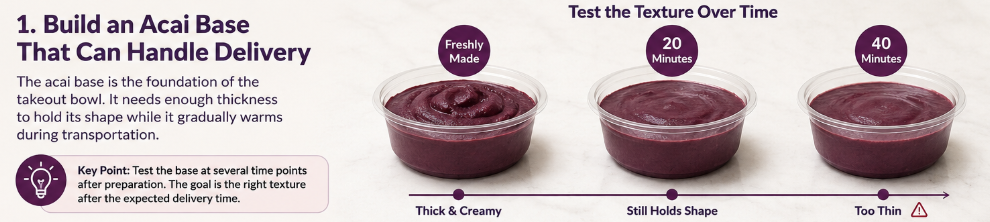
Check the food after 10, 20, and 30 minutes, adjusting the intervals to match typical orders. Look at the coating, condensation on the lid, grease on the base, and movement inside the container. Lift the box and carry it as a delivery driver would. A container may perform well on a counter but fail when tilted or stacked.
Taste matters more than appearance alone. A box can look clean and remain structurally sound while the coating has already lost its crunch. Repeat the test with several samples before making a decision; one good result could simply be luck.
When working with a private label takeout box supplier for fried chicken brands, confirm that the approved sample matches the production specification. Changes to dimensions, coatings, or lid construction can affect the result. Agree on the key specifications before the order goes into production.
Work Out What the Box Really Costs
The purchase price is only one part of the calculation. Packing time, storage space, extra liners, damaged orders, and customer complaints can all affect the cost of serving each meal.
For a bulk takeout box manufacturer for food distributors, larger quantities may bring down the unit price. That saving is less attractive if the packaging has not been tested and thousands of boxes end up unsuitable. Approving samples before committing to a large order is a practical way to limit that risk.
Restaurants with several locations may also need a wholesale fried chicken packaging supplier for multi-location restaurant groups that can maintain consistent dimensions and reliable replenishment. Standardizing a few box sizes can simplify stock management, provided the sizes still suit the menu.
There is no universal takeout box that keeps every piece of fried chicken crispy in every situation. The sensible approach is to identify where the current packaging fails, test alternatives under real operating conditions, and pay for improvements that make a noticeable difference. A box that works for your food and delivery times is worth more than one with impressive specifications that never translate into better orders.