
Category object (1)
Is Greaseproof Paper Recyclable? A Buyer's Guide
Greaseproof paper's recyclability depends on coatings, contamination, and local rules. Learn what food packaging buyers should ask suppliers before sourcing.
Read MoreExpert articles and guides on Category object (1).
Greaseproof paper's recyclability depends on coatings, contamination, and local rules. Learn what food packaging buyers should ask suppliers before sourcing.
Read More
Compare 10 top plastic cereal bowl suppliers in the USA by use case, resin type, and quote details to find the right fit for your business.
Read More
Thermal paper receipts and toxicity explained: what chemicals matter, how exposure adds up, and what to check before buying receipt rolls in bulk.
Read More
Paper plates aren't automatically safe—coatings, additives, and documentation matter. Learn what to verify before choosing a food-contact supplier.
Read More
Greaseproof paper isn't always heat-safe for air fryers. Learn when it works, when it fails, and what to use instead for safe hot-air cooking.
Read More
Greaseproof paper not solving your grease, oil, or moisture problem? Compare real alternatives and learn how to pick the right one for your food product.
Read More
Learn what greaseproof paper is, when it's safe for cooking, how it differs from parchment paper, and how to choose the right paper for your food business.
Read More
Compare Australia's top 10 thermoforming food packaging manufacturers to find the right supplier for your product and sealing needs.
Read More
Learn how grind size, water, and routine affect your espresso. Simple, repeatable steps to brew a consistent, café-quality cup at home.
Read More
Paper plates aren't automatically eco-friendly. See how coatings, sourcing, and disposal affect their real impact before buying in bulk.
Read More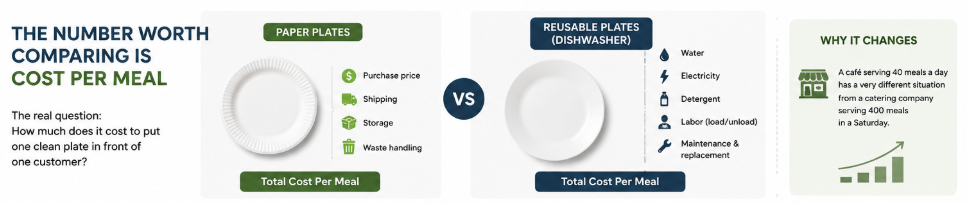
Paper plates or dishwasher—which really costs less? Compare per-meal cost, water, detergent, waste fees, and labor to find your break-even point.
Read More
Are deli boxes really dishwasher safe? Learn why lids warp, how many cycles containers last, and what to check before reuse.
Read More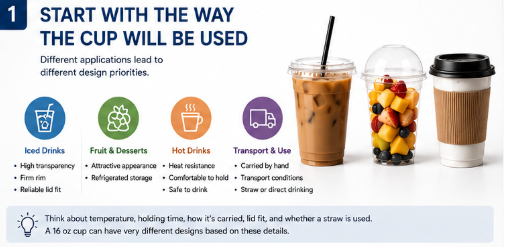
A practical guide to custom plastic cup manufacturing: choosing materials, mold tooling, and dimensions so your branded cups perform and fit lids correctly.
Read More
Compare 10 leading plastic egg tray suppliers in China on MOQ, tooling, cavity design and production strength to find the right sourcing fit.
Read More
Learn what rigid packaging really means, how it differs from flexible packaging, and what to ask suppliers before choosing rigid food containers.
Read More
Compostable doesn't always mean microwave-safe. See how bagasse, PLA, and CPLA bowls perform with heat and what to ask before you order.
Read More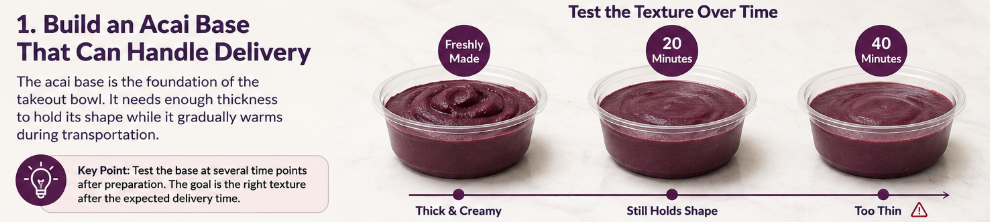
Learn how to build acai bowls that survive delivery—base, toppings, granola, bowl size, and lids that keep quality intact for takeout service.
Read More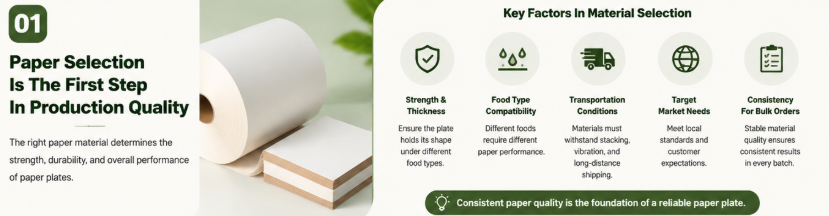
See how paper plates are manufactured—from paper selection and coating to forming and quality checks—to help you vet a reliable bulk supplier.
Read More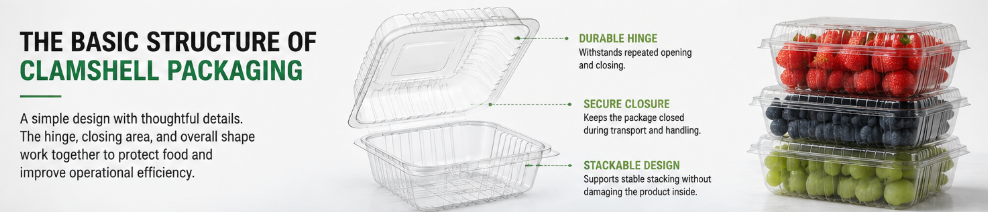
What is clamshell packaging? Learn its structure, materials, common food uses, and what buyers should verify before placing bulk orders.
Read More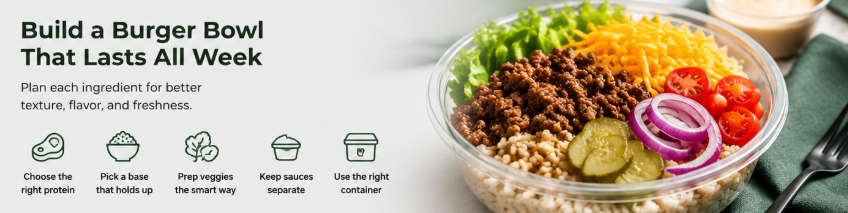
Build a Burger Bowl that stays fresh for days: protein picks, texture-safe bases, sauce timing, and the right containers for meal prep.
Read More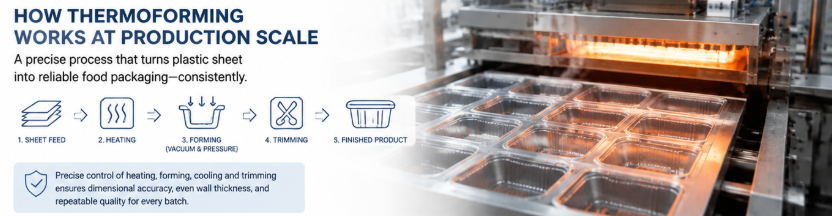
Discover how thermoforming technology impacts food packaging consistency, performance, and cost—key insights for bulk buyers and food brands.
Read More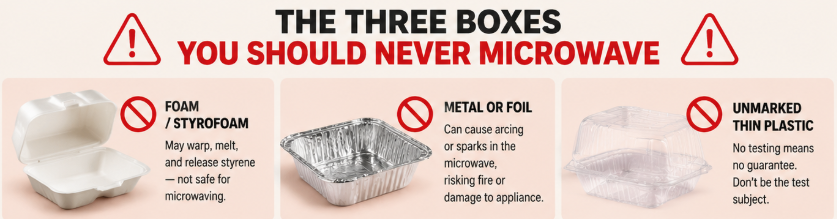
Is it safe to microwave takeout containers? Learn what 'microwave safe' really means, which boxes to avoid, and the one rule that keeps you safe.
Read More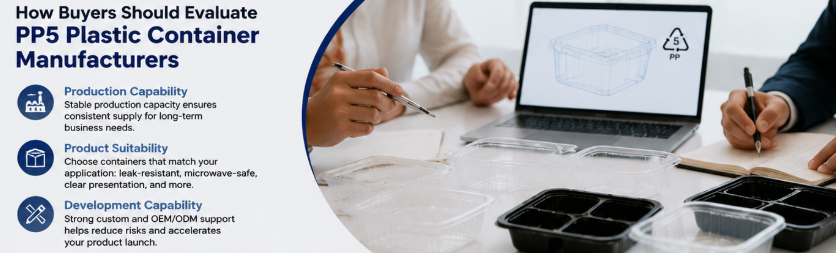
Compare the top 10 PP5 plastic container manufacturers in the USA and learn how to evaluate suppliers for compliance, customization, and supply reliability.
Read More
Standard cereal bowl sizes go beyond diameter and volume. See how sizing affects leak-proofing, lids, and shelf appeal for bulk packaging buyers.
Read More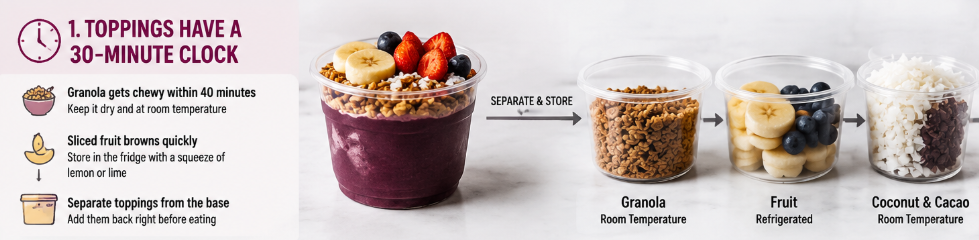
Acai bowls fall apart in layers, not all at once. Learn exactly how long the base, fruit, and granola each last so nothing goes soggy.
Read More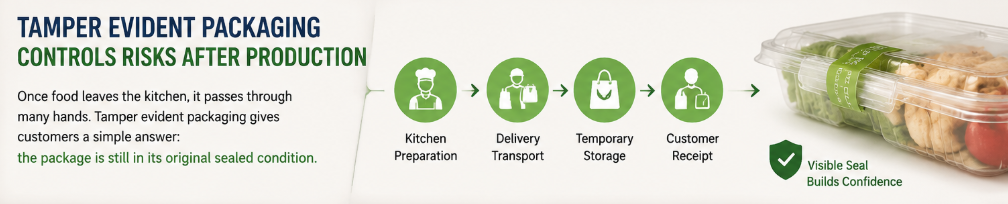
Learn how tamper evident packaging protects food brands after delivery, which structures fit different products, and what to check before ordering.
Read More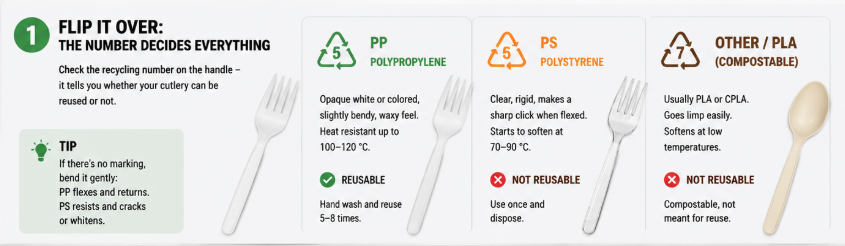
Which disposable plastic cutlery is safe to reuse? Learn to spot PP5 vs PS, how many washes you get, and when to toss it for good.
Read More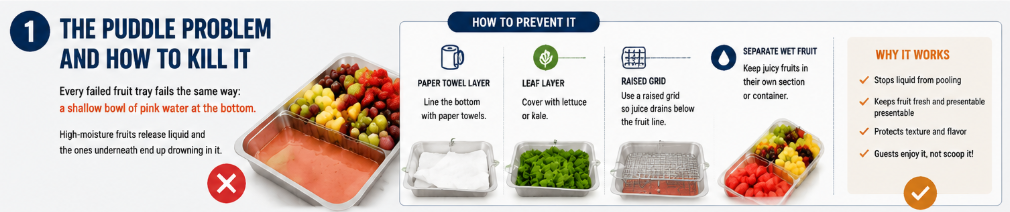
Fruit skewers, cups, or platters? Compare fruit tray ideas for events by how well each holds up over hours, not just how it photographs.
Read More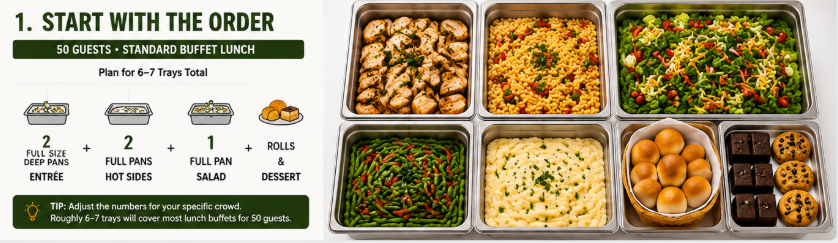
Feeding 50 guests? Learn exactly how many full-size trays you need per course, plus the pan-depth mistake that causes caterers to run short.
Read More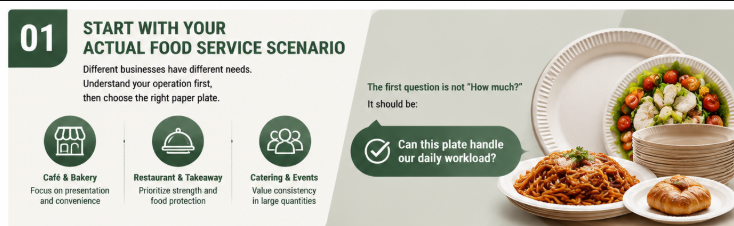
A practical guide to choosing bulk paper plates for foodservice: matching food type, sizing, testing, supplier vetting, and true cost analysis.
Read More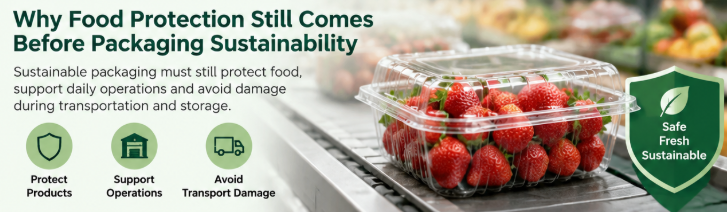
Learn how eco-friendly clamshell packaging protects food while meeting sustainability goals, and what buyers should evaluate before switching materials.
Read More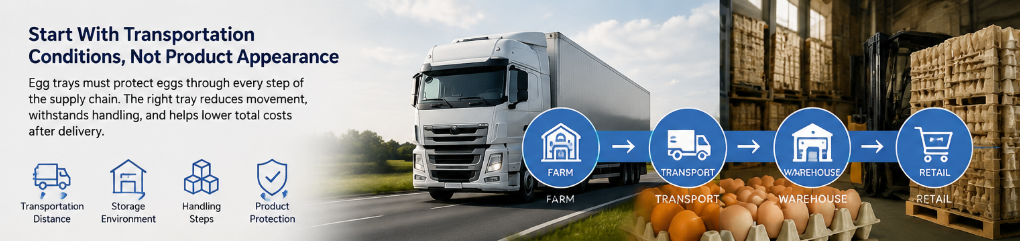
Learn how to choose the right egg tray by material, transport conditions, and packing needs to reduce breakage and cut long-term packaging costs.
Read More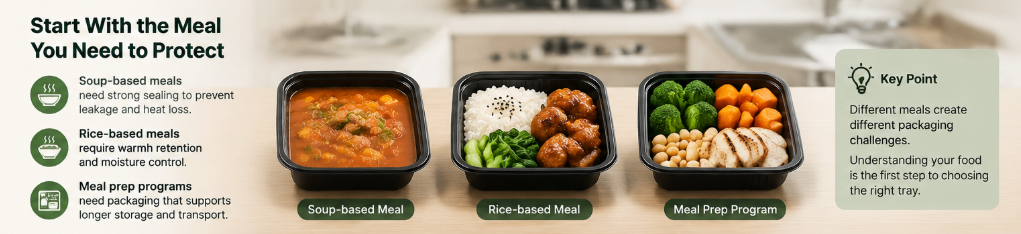
Learn how to choose food trays that retain heat, prevent sogginess, and protect meal quality throughout delivery—from material to lid design.
Read More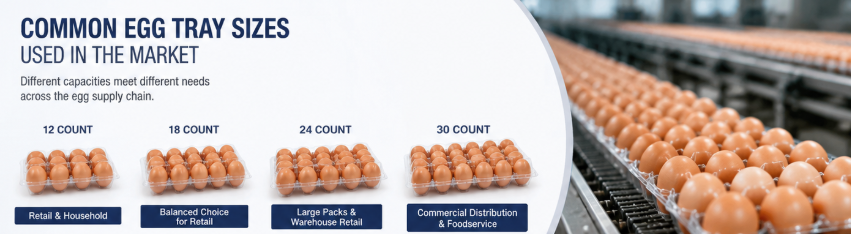
Learn how many eggs standard trays hold, common tray sizes, material options, and how to choose the right capacity for wholesale egg packaging.
Read More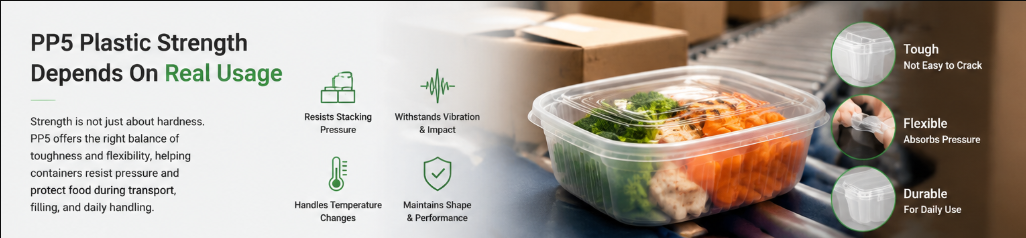
See how PP5 plastic strength compares to PET, PS, and PLA in real commercial food packaging use, from heat resistance to shipping durability.
Read More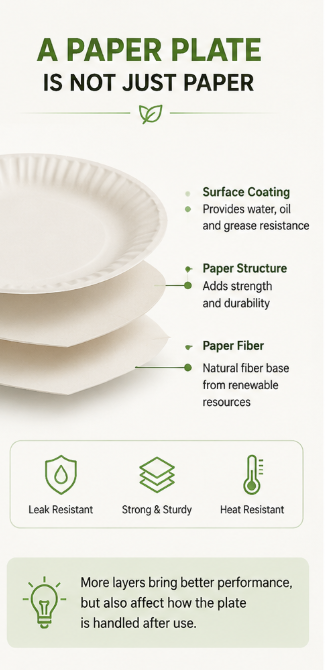
Wondering if paper plates are recyclable? Learn how coatings and food residue affect recyclability and what to confirm before ordering disposable tableware in bulk.
Read More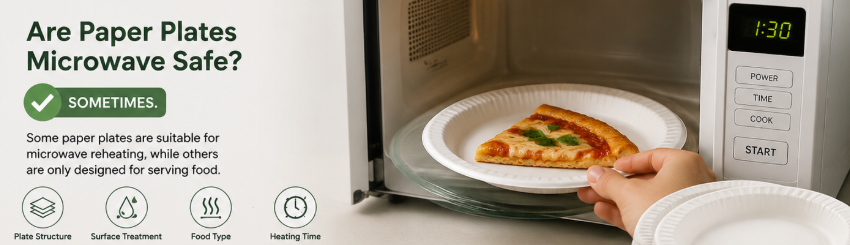
Wondering if paper plates are microwave safe? Learn which types are safe to reheat, what coatings to avoid, and how to check before microwaving.
Read More
Is PP5 recyclable? Learn how PP5 plastic recycling works in practice, what limits it, and how food packaging buyers can make smarter, more sustainable choices.
Read More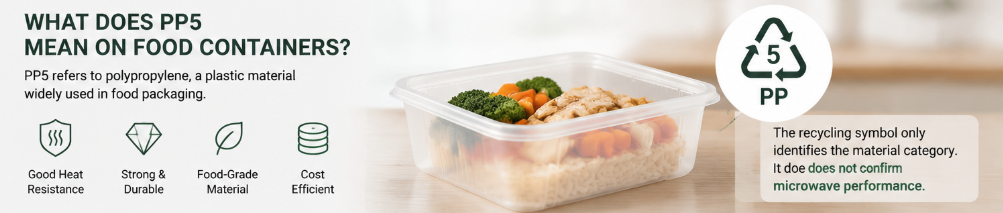
PP5 doesn't automatically mean microwave safe. Learn what factors matter when choosing PP containers for hot food applications in restaurants and catering.
Read More